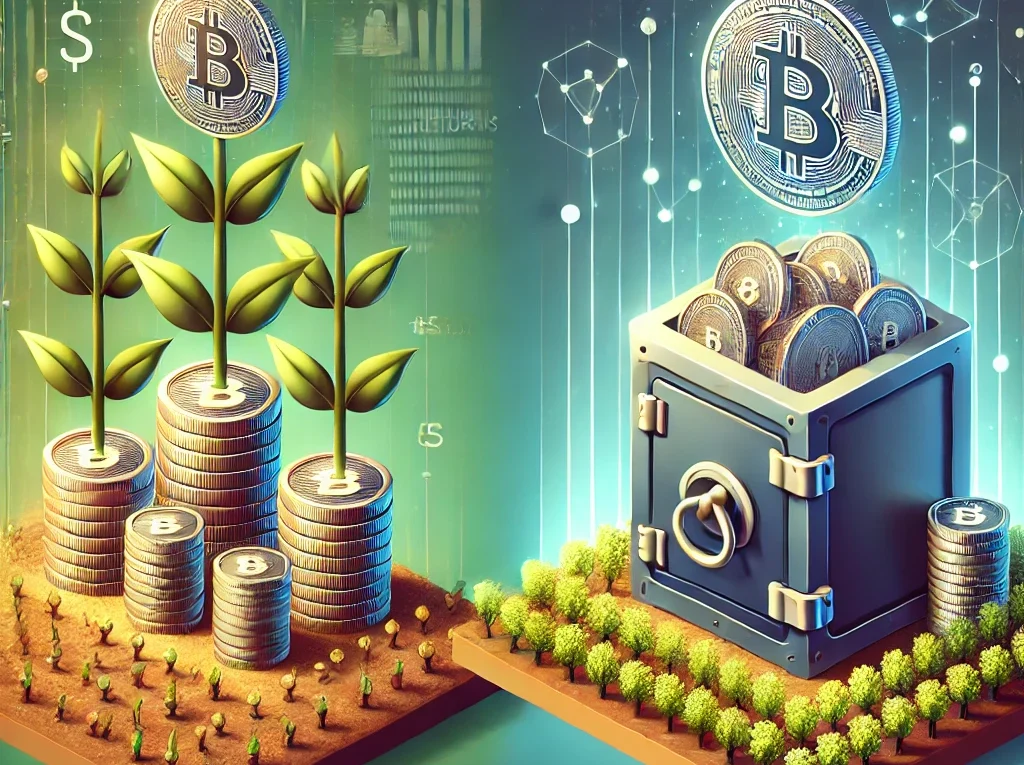
Yield Farming vs. Staking: Which is Better for Passive Income?
In the fast-evolving world of cryptocurrency, generating passive income has become a major goal for investors, and yield farming and staking are two of the most popular methods to achieve it. But how do they differ, and which one is better for passive income? This article explores the essential aspects of each strategy, helping you make an informed decision based on your risk tolerance and investment goals.
Understanding Yield Farming
Yield farming, or liquidity mining, is the practice of lending crypto assets to a decentralized finance (DeFi) platform to earn interest or fees. Users deposit their tokens into a liquidity pool, which is used by others on the platform for trading and other transactions. In return, yield farmers earn rewards, often in the form of additional tokens or a percentage of transaction fees.
Pros of Yield Farming:
- High Returns: Yield farming can offer lucrative returns, especially when utilizing liquidity pools with high trading volumes.
- Diversified Earnings: Many yield farming protocols offer rewards in multiple tokens, increasing earning potential.
- Flexible Options: Different pools cater to various asset pairs, allowing users to choose one that matches their assets and risk tolerance.
Cons of Yield Farming:
- High Risk: Yield farming involves exposure to smart contract risks, impermanent loss, and price volatility, which can erode potential gains.
- Complexity: Managing a yield farming strategy often requires technical know-how, and returns can vary based on factors like liquidity pool dynamics.
- Transaction Fees: On-chain fees, particularly on networks with high congestion, can diminish overall returns.
Understanding Staking
Staking is the process of locking up tokens in a blockchain network to support its operations, like transaction validation and security. By staking, participants contribute to the blockchain’s consensus mechanism, typically earning rewards in return. Staking is commonly used in Proof of Stake (PoS) networks, where stakers help validate new blocks.
Pros of Staking:
- Low Risk: Staking is generally considered safer than yield farming since it usually doesn’t involve lending assets to external parties.
- Consistent Returns: Rewards from staking are often more predictable and less affected by market volatility.
- Network Participation: Stakers contribute to the security and functionality of the blockchain, supporting its decentralization.
Cons of Staking:
- Lower Yields: Staking returns are typically lower than those from yield farming, making it less appealing for high-risk, high-return investors.
- Lock-Up Periods: Some staking programs require a lock-up period, limiting liquidity and access to staked assets.
- Inflation Risk: Rewards in native tokens can lead to inflation, potentially lowering the value of rewards over time.
Comparing Yield Farming and Staking: Which Is Better?
Both yield farming and staking offer unique advantages, but they cater to different risk profiles and investment strategies. Let’s compare the two based on various factors:
- Risk and Reward: Yield farming offers higher potential returns but comes with increased risks, such as smart contract vulnerabilities and price volatility. Staking, on the other hand, provides a safer, lower-risk option with steady but generally lower rewards.
- Complexity and Accessibility: Yield farming requires technical knowledge and careful management of positions within DeFi platforms. Staking is generally more accessible, as it often only requires holding and locking tokens on a PoS network.
- Liquidity: Yield farming allows for quicker access to funds, especially if no lock-up period is required. However, staked assets are often subject to lock-up durations, reducing flexibility for immediate withdrawals.
- Earnings Potential: For investors willing to take on more risk, yield farming can yield higher returns, making it suitable for short-term profit maximization. Staking, however, is ideal for those seeking more stable, long-term returns.
Which Is Better for Passive Income?
The choice between yield farming and staking depends on your financial goals, risk tolerance, and familiarity with DeFi platforms. Yield farming may be more rewarding for experienced DeFi users seeking high returns and willing to manage associated risks actively. Conversely, staking appeals to investors preferring stability, simplicity, and a steady income stream with minimal management.
For a balanced approach, some investors split their assets between yield farming and staking, effectively diversifying their passive income streams and mitigating risk. Ultimately, the best method will align with your unique preferences and comfort with market volatility.
Conclusion
Yield farming and staking are both viable methods for generating passive income in the crypto space. While yield farming can deliver impressive short-term returns, staking offers a safer, more predictable approach for long-term income. By evaluating these strategies’ pros and cons, investors can make more informed decisions and choose the approach that best fits their investment style.